May 1, 2026
Planning a plumbing project—whether it’s a simple repair or a full-scale renovation—starts with understanding exactly what you need. Taking the time to define your goals, outline specific tasks, and establish a realistic budget sets the foundation for a smoother, more efficient process. From evaluating specialized requirements to researching qualified professionals, every step you take early on helps prevent costly surprises later. By approaching your plumbing project with clarity and preparation, you position yourself to make confident decisions and achieve results that meet both your expectations and your home’s long-term needs.
Understanding Your Plumbing Needs
Before you start your search for a plumber, it's important to define and understand the scope of your plumbing project. Determine whether your needs are simple repairs, extensive overhauling, or new installations. Large-scale renovations may require significant work on the plumbing infrastructure, while minor updates may not necessitate such extensive changes. Having a clear picture of what you need helps in discussing your requirements effectively with potential plumbers. Additionally, detailed knowledge of the scope helps in setting realistic timelines and budgetary expectations.
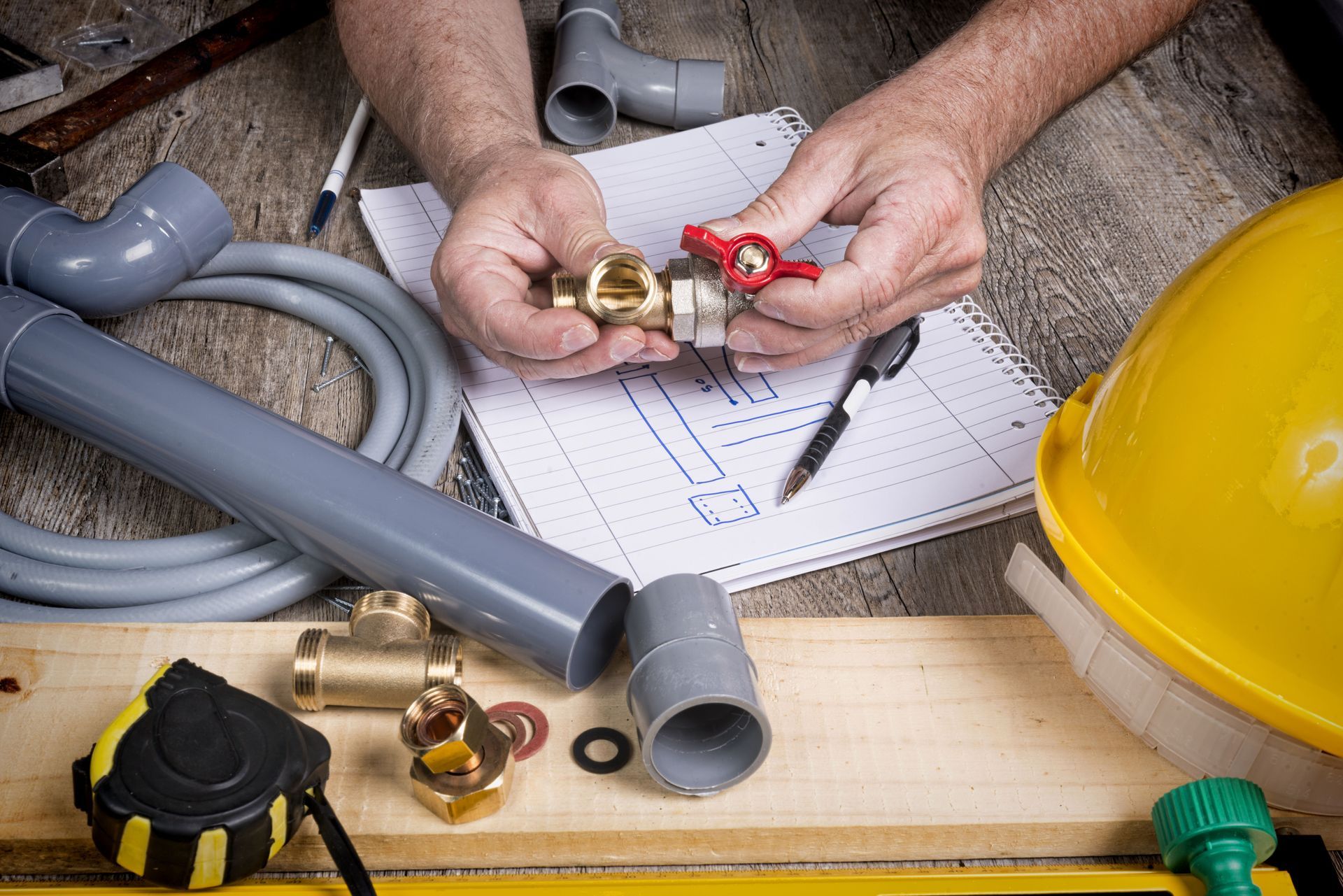
Once the scope is set, break it down into specific plumbing tasks required for your project. This might include installing new fixtures, rerouting existing pipes, or addressing antiquated plumbing systems. Assess whether the work involves plumbing structures integral to home design, such as the installation of vents, supply pipes, and waste lines, according to This Old House. Consider the layout and construction of these systems, as they will directly influence the complexity of plumbing tasks. Clear identification of tasks allows for a targeted evaluation of the plumber’s skillset and experience in handling similar projects.
Proper planning involves not only knowing what to do, but also when and at what cost. Begin by researching the average cost for similar projects and set a budget range that aligns with your financial capacity. It's vital to consider unexpected costs that could threaten your budget, such as addressing hidden plumbing issues. Being transparent about your timeframe also ensures that the plumber aligns with your deadlines, optimizing both efficiency and satisfaction. Openly discussing these elements with potential plumbers assures that you find a professional who works within your specifications.
Certain plumbing tasks call for specialized knowledge and tools that not all plumbers possess. Evaluate whether your project requires expertise in areas such as gas pipes or solar water heating systems. Specialized plumbing installations not only require advanced skills but also adherence to safety regulations and code compliance. Use this assessment to filter plumbers to those who can confidently undertake specialized tasks with proven capabilities. Ensure that selected professionals offer guarantees for these specialized services, emphasizing quality and safety.
Researching Potential Plumbers
Begin your research with an examination of online reviews and ratings for plumbers within your area. Platforms such as Google, Yelp, and the Better Business Bureau are valuable resources for gathering user feedback on service quality and reliability. Analyzing both positive and negative reviews offers insights into the plumber's strengths and potential areas of concern. Pay attention to recurring themes within reviews, as these often indicate consistent service trends. High ratings and positive feedback generally signify reliability and professionalism, helping you narrow down your list of potential plumbers.
Personal recommendations from friends, family, and neighbors can be instrumental in finding a trustworthy plumber. People who have had successful experiences with plumbers can provide reliable endorsements and valuable insights from firsthand experience. Inquire about the quality of work, professionalism, and overall satisfaction with the service provided. Recommendations also often reveal a plumber's work ethic and responsiveness, indicators crucial for any home renovation project. Word-of-mouth referrals carry weight in forming a baseline expectation for service quality.
Membership in professional plumbing associations can be an indication of a plumber’s expertise and commitment to industry standards. Organizations, such as the Plumbing-Heating-Cooling Contractors Association (PHCC), endorse professionals who adhere to ethical and technical benchmarks. Such affiliations suggest ongoing training, access to industry updates, and a commitment to providing high-quality service. When researching plumbers, give preference to those affiliated with esteemed trade organizations, as this increases the likelihood of receiving reputable service. Leverage association directories to find certified professionals meeting your specific plumbing needs.
A plumber's online presence can provide a wealth of information beyond reviews and ratings. A professional website often highlights services offered, previous projects, company philosophy, and client testimonials. Social media profiles offer additional insights into their interaction with customers and visibility into customer feedback. A robust and transparent online presence usually reflects the plumber’s dedication to quality, customer engagement, and business integrity. Evaluate website quality and social media activity to gauge the plumber's willingness to adapt to new technologies and platforms in providing their services.
With your initial research complete, compare the shortlisted plumbers by examining their service offerings and pricing structures. Analyze differences in their approaches to project management, customer service, and quality assurance. Determine which companies specialize in renovation projects similar to yours and assess their track records with past clients. Pricing patterns between companies can further illuminate differences in the level of service and specialization offered. This comparative analysis ultimately helps identify the plumbing company whose capabilities and values align best with your project requirements.
Evaluating Credentials and Experience
Licensing and certification are prerequisites that verify a plumber’s legitimacy and proficiency in the trade. Confirm that potential plumbers hold valid local licenses required to legally undertake work in your region. Certifications from accredited plumbing programs further endorse a plumber's technical skills and ongoing commitment to learning. Licensed plumbers are also likely to be up-to-date with local building codes, ensuring your project complies with safety and regulatory standards. Prioritize plumbers with robust certificates, as they tend to reflect fundamental competence.
Experience can significantly influence the quality and efficiency of plumbing work. When evaluating plumbers, consider their years in the business and exposure to projects similar to yours. Extensive experience often correlates with a higher likelihood of encountering and successfully resolving various plumbing challenges. However, newer plumbing companies might bring innovative solutions and modern techniques to the table. Strike a balance by assessing both the depth of experience and proven ability to adapt to contemporary plumbing practices.
Request to see a plumber’s portfolio showcasing past projects, focusing on those closely related to your own renovation needs. Analyzing projects similar in scope helps gauge the plumber's competence and quality level in delivering complex plumbing solutions. A comprehensive portfolio offers insights into their problem-solving capabilities and attention to detail. Additionally, portfolios often include before-and-after photographs that visually demonstrate the plumber's work ethic and craftsmanship. This assessment is a practical means of validating claims of experience and skill.
Consider plumbers who specialize in handling renovation projects, as they possess a nuanced understanding of the unique challenges that arise during such undertakings. Specialized plumbers are adept at coordinating with other tradespeople, maintaining project schedules, and adapting to changing renovation requirements. Their experience with integrated plumbing systems, such as those consisting of vents, supply pipes, and waste lines, ensures comprehensive knowledge of infrastructure requirements. Evaluate their past renovation cases to confirm proficiency and adaptability to renovation-specific conditions. Choose plumbers whose specializations align directly with your renovation scope.
A well-chosen plumber will not only complete the job efficiently but also ensure your system is safe, reliable, and built to last. If you’re ready to move forward, start reaching out to qualified plumbers from Glenbrook Plumbing Co today to discuss your project, request estimates, and take the next step toward a successful outcome.