September 1, 2026
Maintaining a smooth wastewater network is essential for every household. Main lines run beneath your foundation and yard, carrying used water safely away from your home. Over time, heavy debris, grease, and invasive tree roots can restrict wastewater movement inside these underground pipes. Learning about sewer rodding helps homeowners address underground blockages before serious backups occur in living areas.
Defining the Mechanical Method
When pipes become choked with solid debris, mechanical clearing offers a direct, hands-on solution. In simple terms, sewer rodding relies on flexible steel rods joined together to reach deep into your drainage network. Technicians insert these rods directly through cleanout ports, pushing them steadily through tough obstructions. The physical rotational motion breaks apart solid waste, scrapes internal pipe walls clean, and restores proper wastewater flow.
Exploring Primary Equipment
Using specialized equipment makes pipe clearing safe, efficient, and highly effective for any residential setup. Flexible steel rods bend smoothly around sharp pipe curves without cracking or getting stuck inside the line. Cutting heads attach to the leading end of the rod, allowing plumbers to slice through thick tree roots and dense blockages easily. Motorized power units rotate the rods, providing steady torque to scrape away stubborn buildup along interior pipe walls.
Comparing Rodding to Alternative Methods
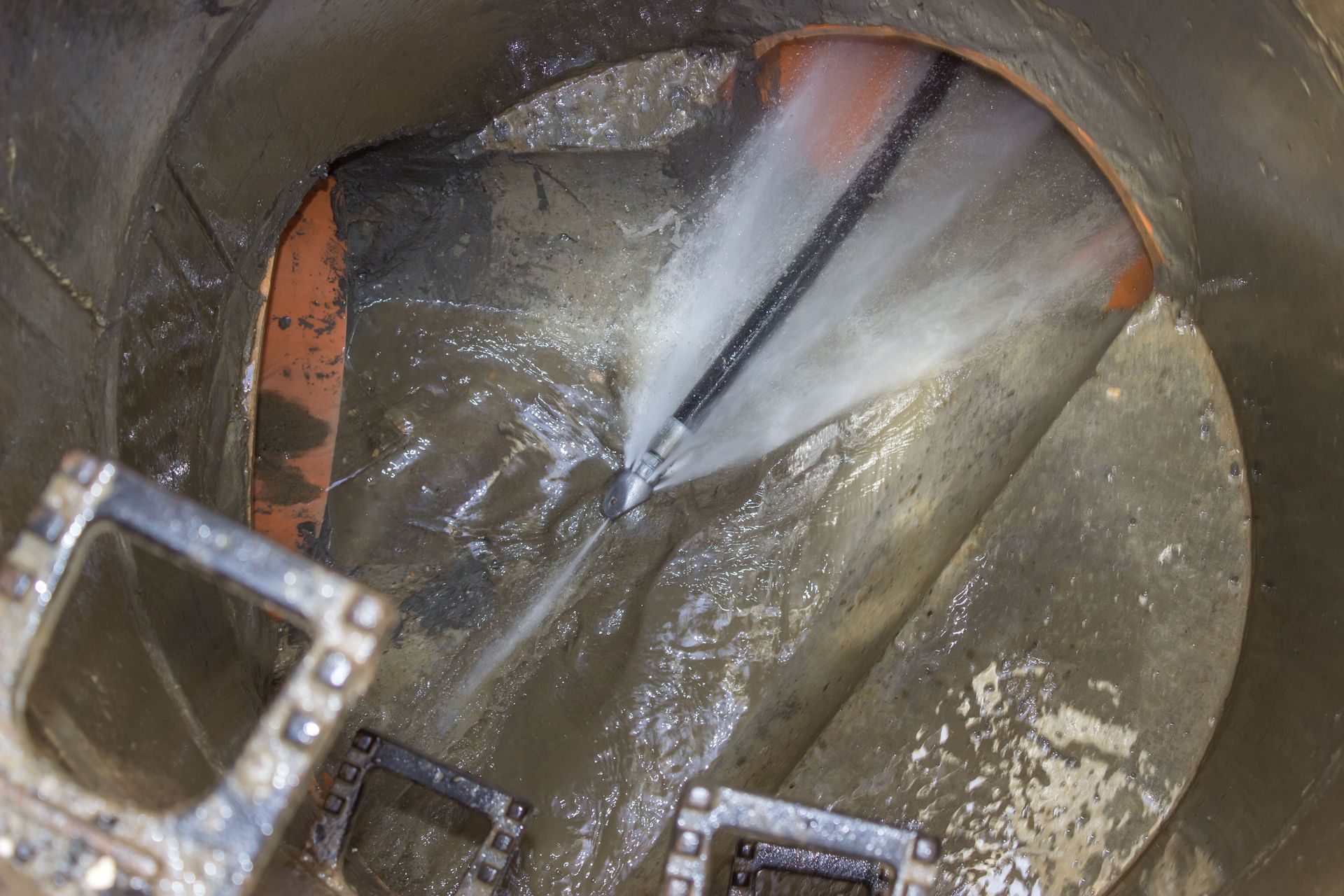
Homeowners often wonder how mechanical clearing compares to other plumbing techniques. While liquid drain cleaners might soften simple hair clogs near sink traps, chemical solutions rarely clear deep main line blockages effectively. While high-pressure flushing works well for soft sludge, sewer rodding excels at cutting through dense tree roots and compacted debris. Mechanical cutting tools remove stubborn root masses that water streams cannot easily dislodge from pipe walls.
Identifying Warning Signs in Your Home
Underground line issues rarely happen overnight without giving subtle hints beforehand. Paying attention to daily plumbing behavior helps you catch growing blockages early. Recognizing when sewer rodding becomes necessary protects your property from messy indoor spills and costly structural damage.
Draining Sinks and Tubs Slowly
Sluggish drainage across multiple fixtures usually points to a main line issue rather than a local sink trap clog. If your kitchen sink, bathroom tub, and laundry basin all empty slowly at the same time, wastewater is meeting resistance farther down the pipe network. Ignoring slow drains gives minor blockages time to trap additional debris, eventually closing the line entirely and creating severe plumbing issues.
Hearing Gurgling Noises in Drains
Unusual air bubbles making gurgling sounds inside bathroom pipes signal restricted airflow underground. When solid waste blocks a pipe, rising wastewater forces trapped air back up toward household fixtures. You might hear strange bubbling noises from the toilet while running the bathroom sink or laundry machine. This strange noise indicates that trapped air is searching for an exit path because wastewater is blocking the pipe.
Smelling Unpleasant Household Odors
Foul sewer smells inside your home or near basement floor drains indicate trapped waste inside main lines. When wastewater cannot move freely away from the property, organic material decomposes inside the pipe and releases unpleasant sewer gas odors throughout your living space. These foul smells signal that wastewater is sitting stagnant in your lines rather than flowing out toward city mains as intended.
Facing Sewage Backups in the Yard
Soggy patches of lawn or standing wastewater near your outdoor cleanout access point demand immediate attention from plumbing professionals. A complete line blockage forces wastewater to back up through low points in your plumbing system. Basement floor drains and yard cleanout caps are often the first areas to overflow during a severe main line blockage.
Recognizing Long-Term Household Benefits
Taking proactive care of your main wastewater lines preserves your property value and keeps daily household routines running smoothly without disruption. Scheduling professional line maintenance removes hidden buildup before it turns into an urgent plumbing crisis inside your home.
Preventing Major Line Blockages
Routine line cleaning removes partial blockages before they completely seal off the primary pipe. Clearing away small root tips and grease layers keeps your wastewater moving freely every single day. Preventing major line blockages keeps your home safe from sudden indoor overflows, ruined flooring, and costly cleanup work.
Saving Money on Emergency Repairs
Emergency plumbing calls during late nights, weekends, or busy holidays can place a heavy financial burden on your household budget. According to Therma.com, most plumbing systems should undergo professional maintenance once a year to help address underground line buildup, avoiding high emergency callout fees and unexpected repair bills.
Improving Overall Drain Efficiency
Clean main lines allow wastewater from toilets, showers, and sinks to empty rapidly without hesitation. Removing internal pipe buildup eliminates sluggish flow across all household fixtures throughout your living space. Fast, efficient drainage makes daily cooking, cleaning, and bathing far more pleasant and worry-free for everyone living in the home.
Extending Overall System Lifespan
Constant pressure from trapped wastewater and expanding tree roots places intense structural strain on underground pipe walls over time. Clearing out dense blockages relieves internal pressure and reduces the risk of dangerous pipe cracks, joint separations, or complete line collapses. Preserving structural pipe integrity helps your original drainage lines last for many decades, protecting your property value.
Walking Through the Cleaning Process
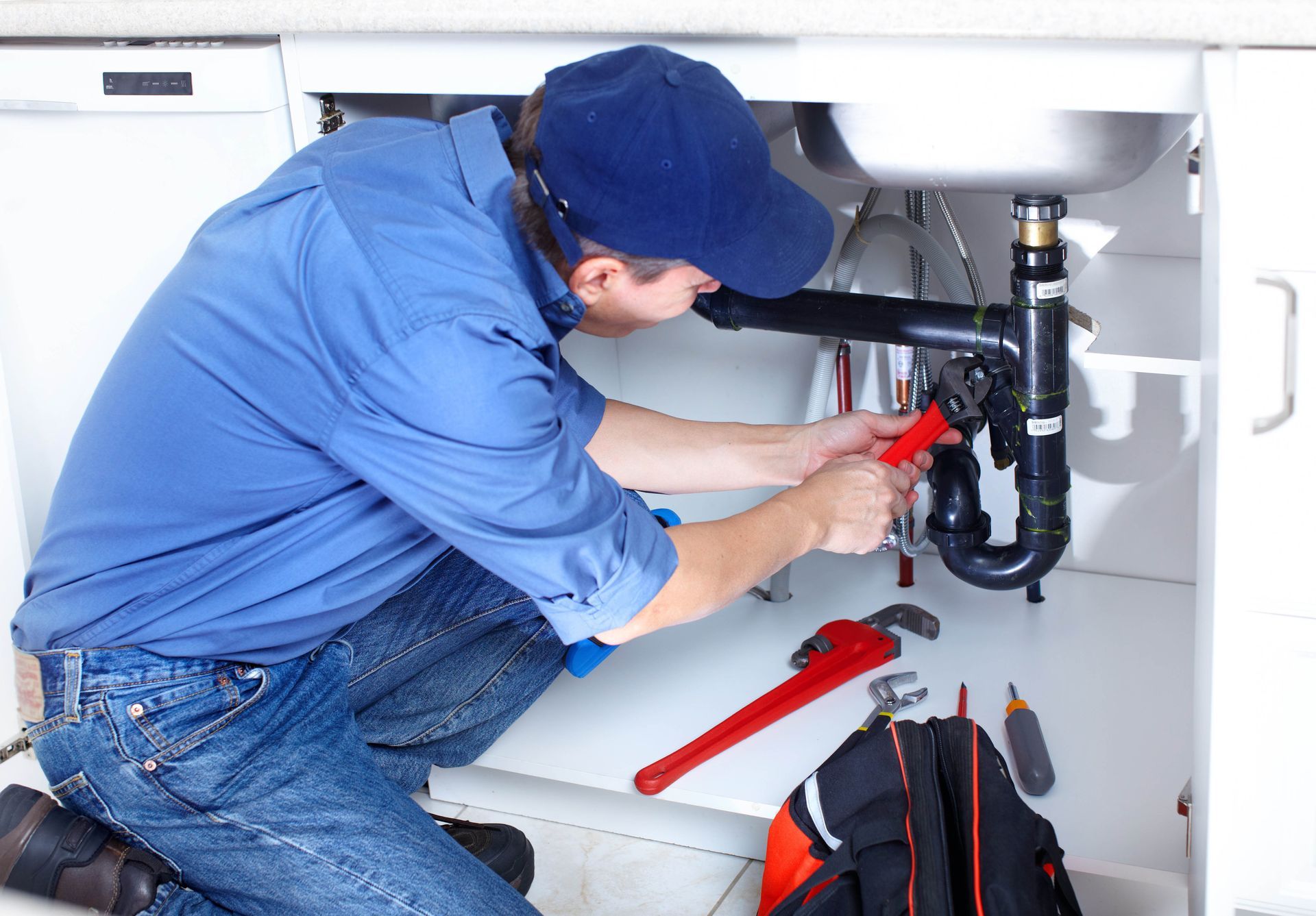
Understanding what happens during a professional service visit helps homeowners prepare for the work. Skilled technicians follow a systematic approach to ensure your wastewater lines are thoroughly cleaned and inspected. Performing sewer rodding correctly requires technical skill and heavy equipment to achieve lasting results.
Inspecting Pipes Before Servicing
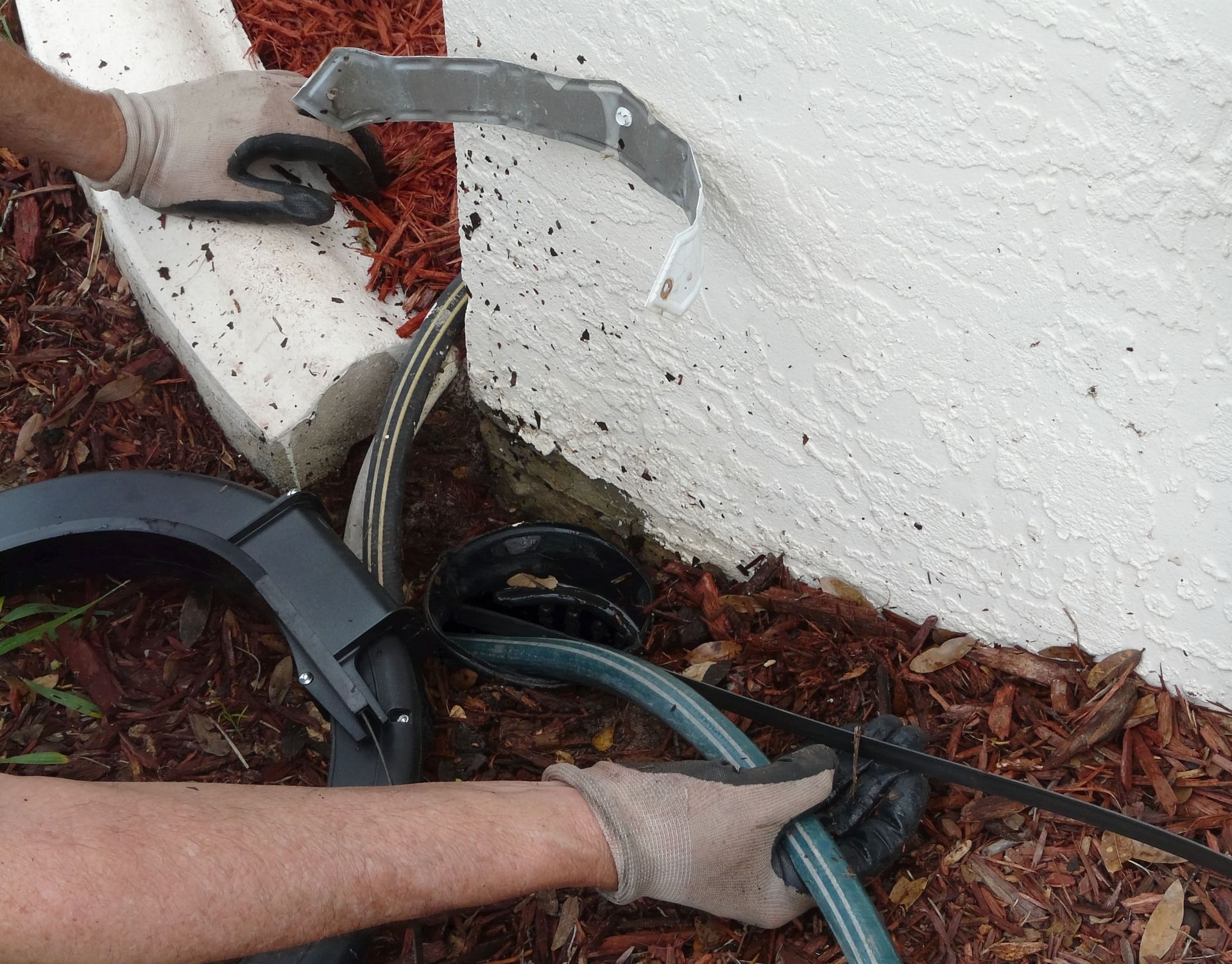
Service visits begin with an initial diagnostic assessment to locate the blockage and evaluate overall pipe conditions. Plumbers locate your main cleanout access point outside or in the basement, which provides a direct path into the primary sewer line. Video camera equipment may be guided down the pipe to pinpoint exact blockage locations and identify underlying structural issues like pipe cracks, line sags, or invasive root intrusions.
Clearing Debris Step by Step
Once technicians identify the blockage, they select appropriate cutting heads and begin assembling the steel rods. Plumbers guide the rotating rod assembly into the cleanout port, advancing carefully down the main line. As the cutting head meets physical resistance, motorized equipment turns the rod to slice through tough roots and break up compacted waste cleanly. Plumbers run the equipment through the line multiple times to ensure full pipe clearance and optimal flow.
Maintaining Clean Lines After Servicing
After clearing the main blockage, technicians run water through household fixtures to verify smooth flow throughout the system. Following a successful service, establishing simple daily habits helps maintain clear lines and optimal drainage over time. Avoiding flushing paper towels, heavy wipes, or thick cooking grease down household drains prevents quick debris accumulation and keeps wastewater moving freely inside your main lines.
Maintaining a healthy wastewater system protects your family, preserves your home interior, and provides peace of mind for every homeowner. Regular maintenance prevents unexpected plumbing emergencies and keeps your wastewater flowing freely day after day. Utilizing professional sewer rodding eliminates stubborn tree roots and heavy debris that standard retail drain tools cannot reach effectively.
When you need dependable main line cleaning or routine plumbing maintenance, working with local experts ensures reliable results for your home and family. The experienced team at Glenbrook Plumbing Co provides thorough drain evaluations, professional line cleaning, and friendly service tailored to your property. To schedule your routine system check or clear a stubborn main line blockage, contact Glenbrook Plumbing Co today.